Retaining Wall Design Software | Robust Modelling Made Simple
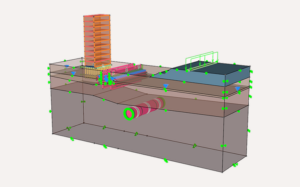
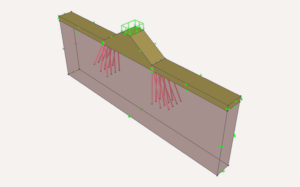
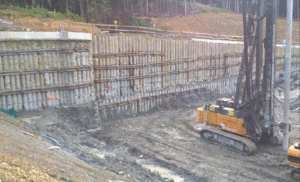
Retaining wall design software is essential for modelling and verifying stability in excavations, basements, and permanent earth-retaining structures. OPTUM GX provides a powerful, easy-to-use platform for analysing retaining walls in both 2D and 3D using advanced finite element limit analysis (FELA).
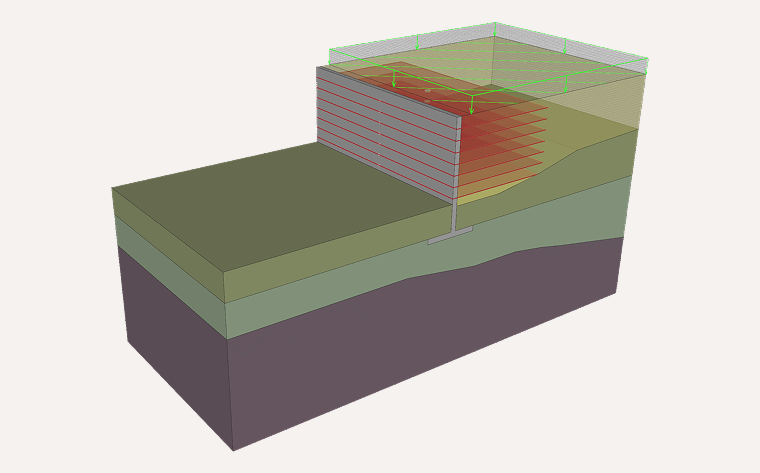
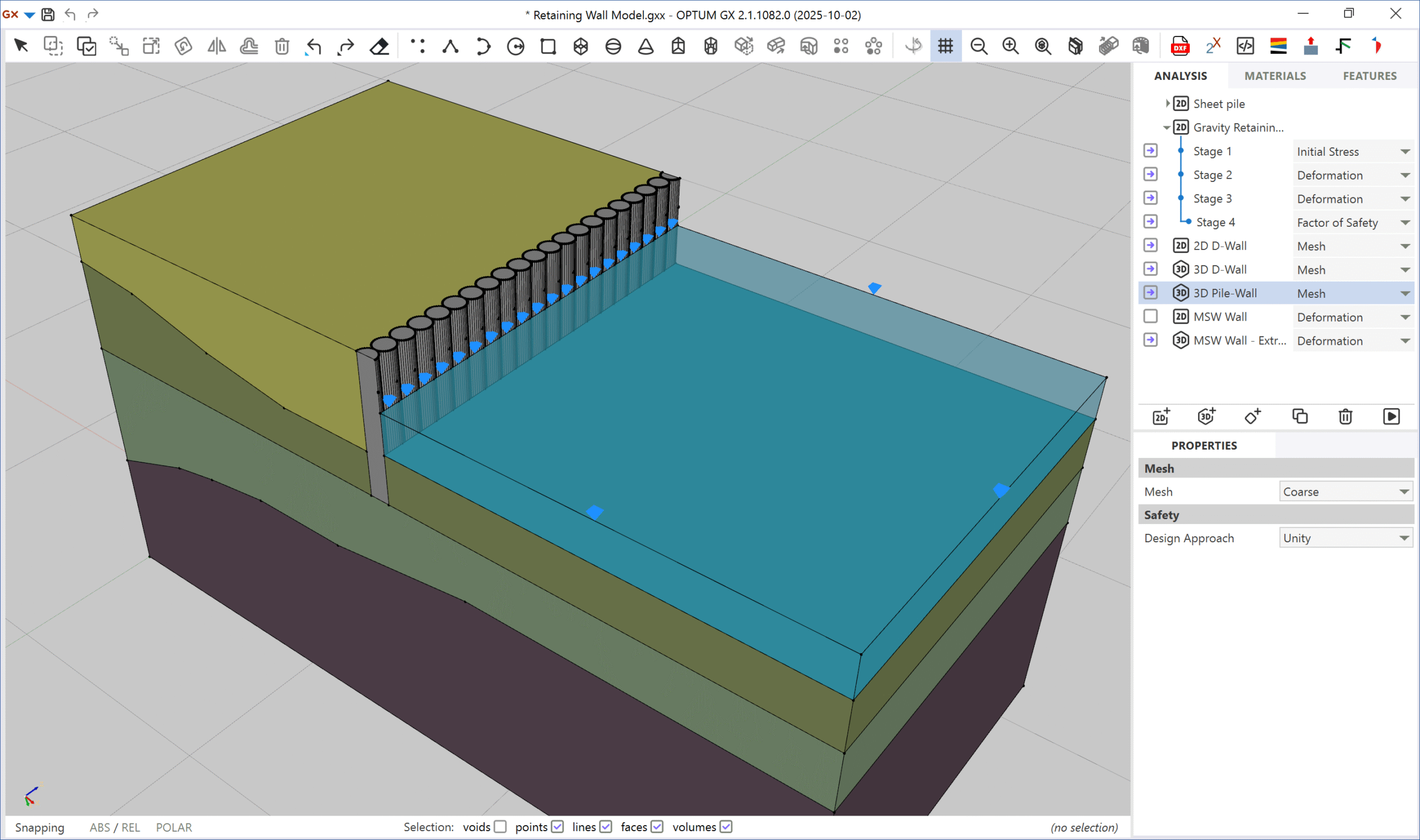
With methods like FELA and Optum’s proprietary OBFEM solver, you can model soil–structure interaction with precision. OPTUM GX is used to analyse a comprehensive set of retaining wall types. This includes sheet pile walls, diaphragm walls, secant pile walls, reinforced soil walls, and gravity walls – with support for staged excavation and groundwater interaction.
Why use OPTUM GX for Retaining Walls?

Comprehensive wall types:
From gravity and reinforced soil walls to diaphragm and secant pile walls – OPTUM GX handles them all in one integrated tool, with support for staged excavation and groundwater interaction.Automated safety and load checks:
Advanced methods like FELA and OBFEM allow you to compute collapse loads and earth pressures directly, without relying on manual input or simplified models.Custom workflows and scripting:
Automate your design process with Python scripting – ideal for batch runs, parametric studies, and generating tailored reports across multiple scenarios.
KEY FEATURES IN OPTUM GX FOR RETAINING WALL DESIGN

Advanced Methods for Geotechnical Analysis
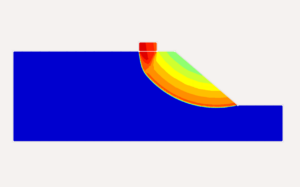
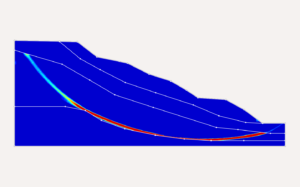
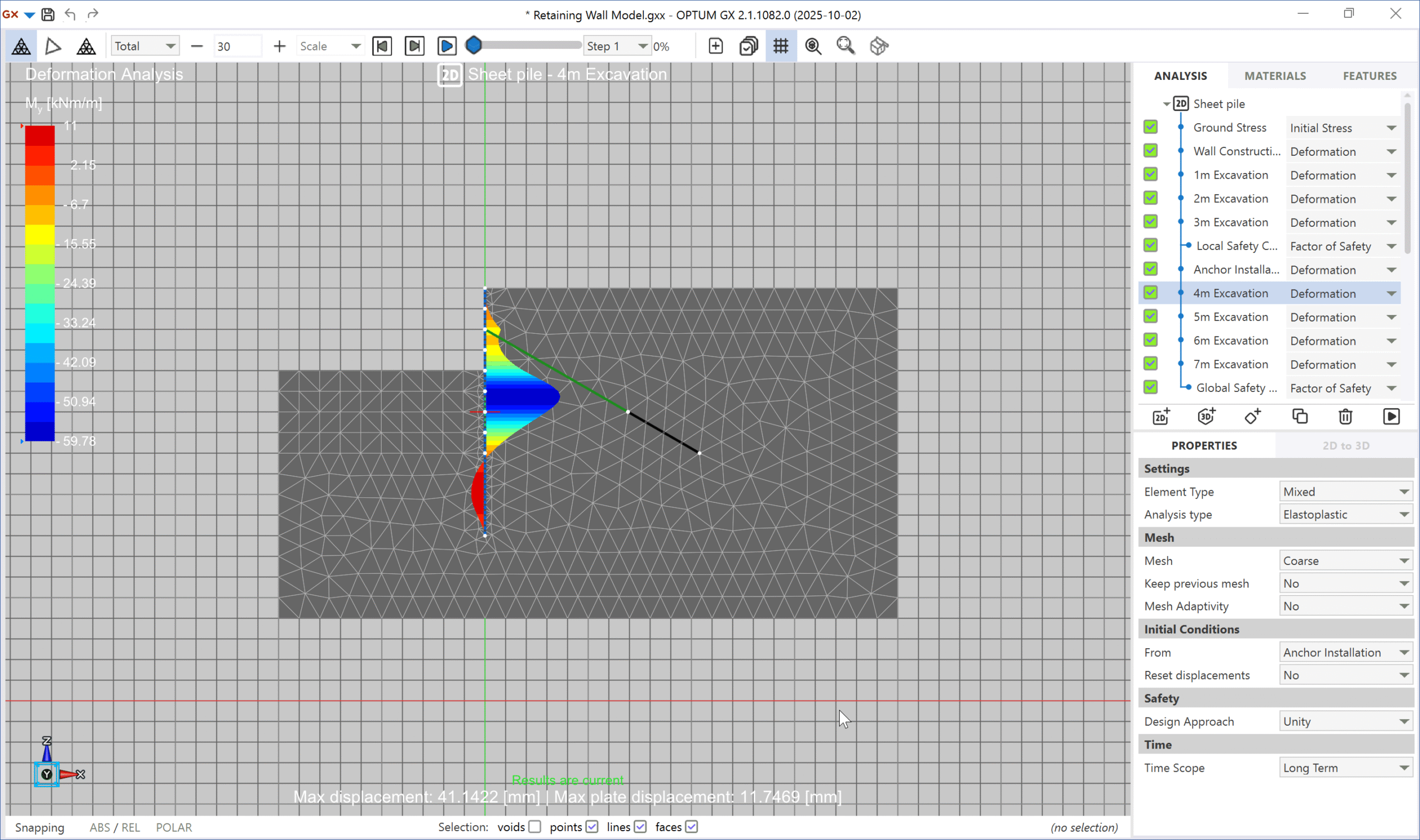
OPTUM GX replaces traditional limit equilibrium (LEM) with rigorous upper and lower bound solutions using FELA and OBFEM. These methods compute collapse loads directly without predefined failure surfaces, making them ideal for complex soil–structure interaction – including layered soils and materials with non-associated flow rules.
Full Support for Groundwater Conditions
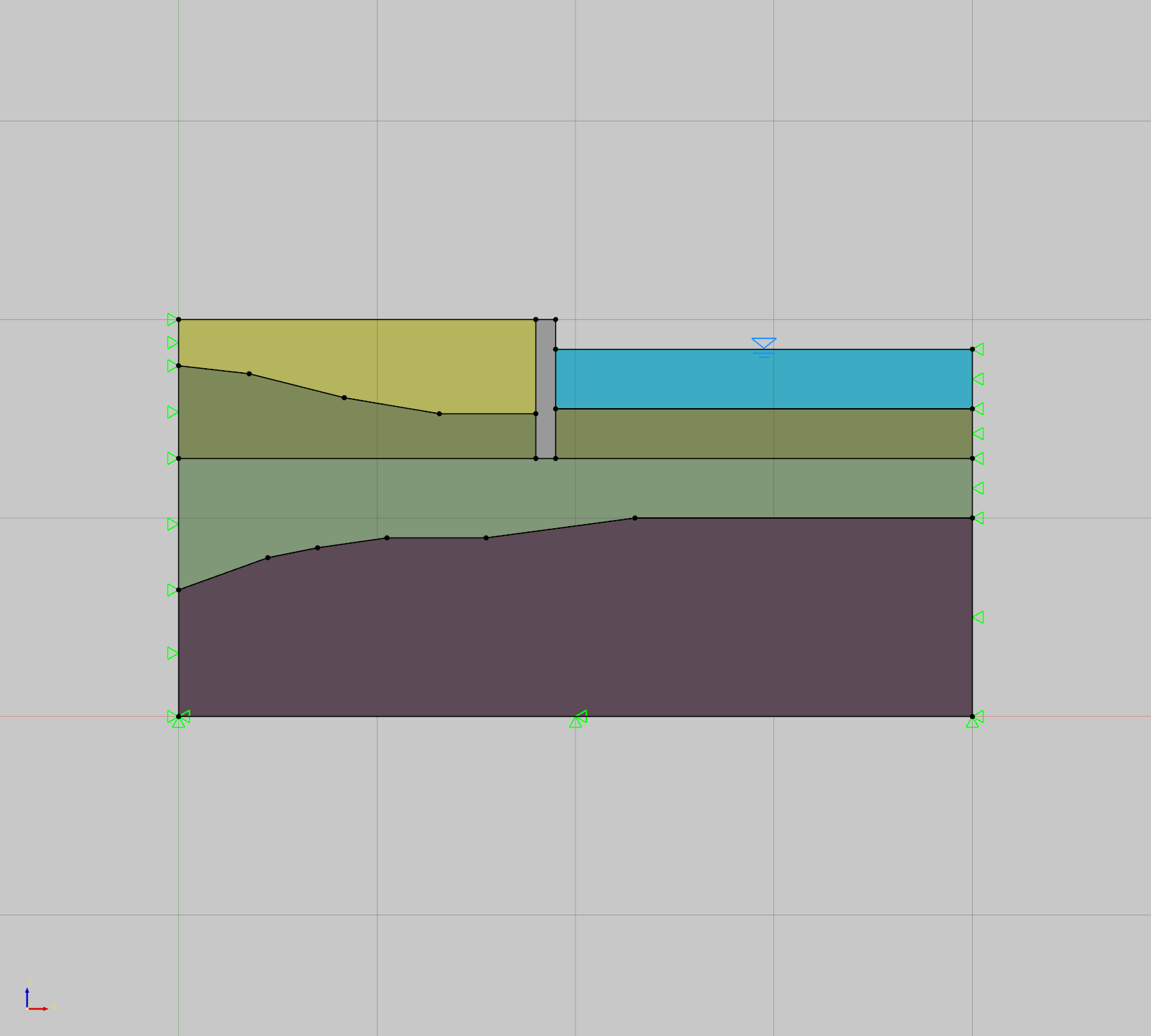
OPTUM GX allows engineers to model pore pressure conditions, including hydrostatic and transient groundwater flow. Engineers can analyse uplift, instability, and wall loading under both drained and undrained conditions.
Staged Construction and Excavation
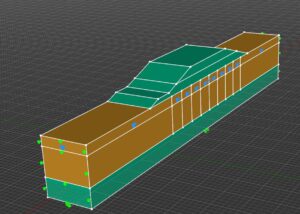
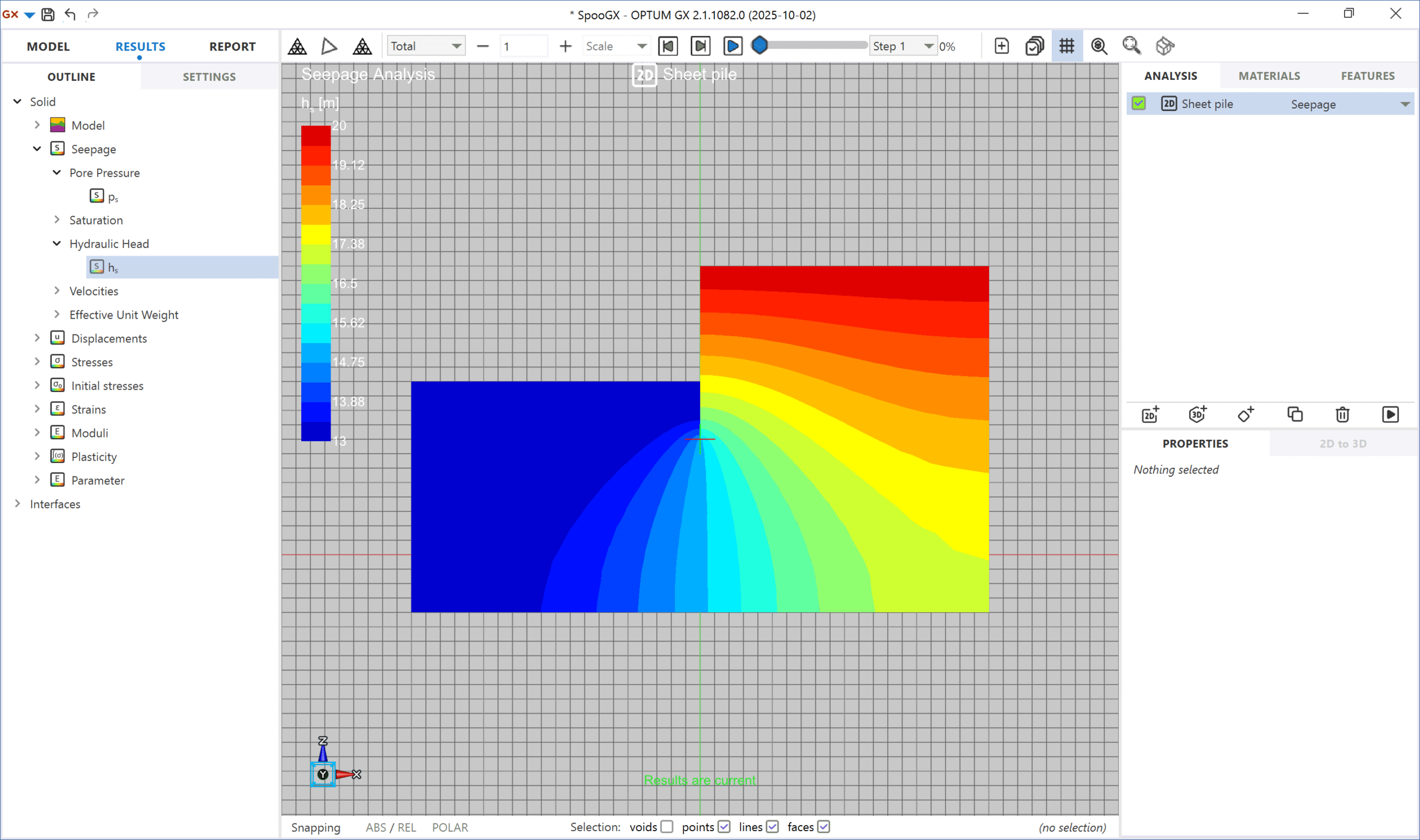
Modelling construction sequences is straightforward. Engineers can simulate excavation in multiple stages and assess how wall displacements, bending moments, and soil response evolve with each stage. Support elements such as props and base slabs can also be represented in the analysis.
Visual Output and Automated Documentation
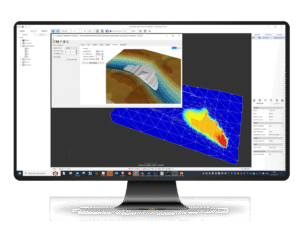
OPTUM GX provides a complete set of visual results that are both rigorous and easy to interpret. Engineers can inspect pressure distributions, structural forces in members (axial, shear, and bending), seepage and pore pressure fields, deformation contours, and collapse mechanisms, along with calculated safety factors in both 2D and 3D.
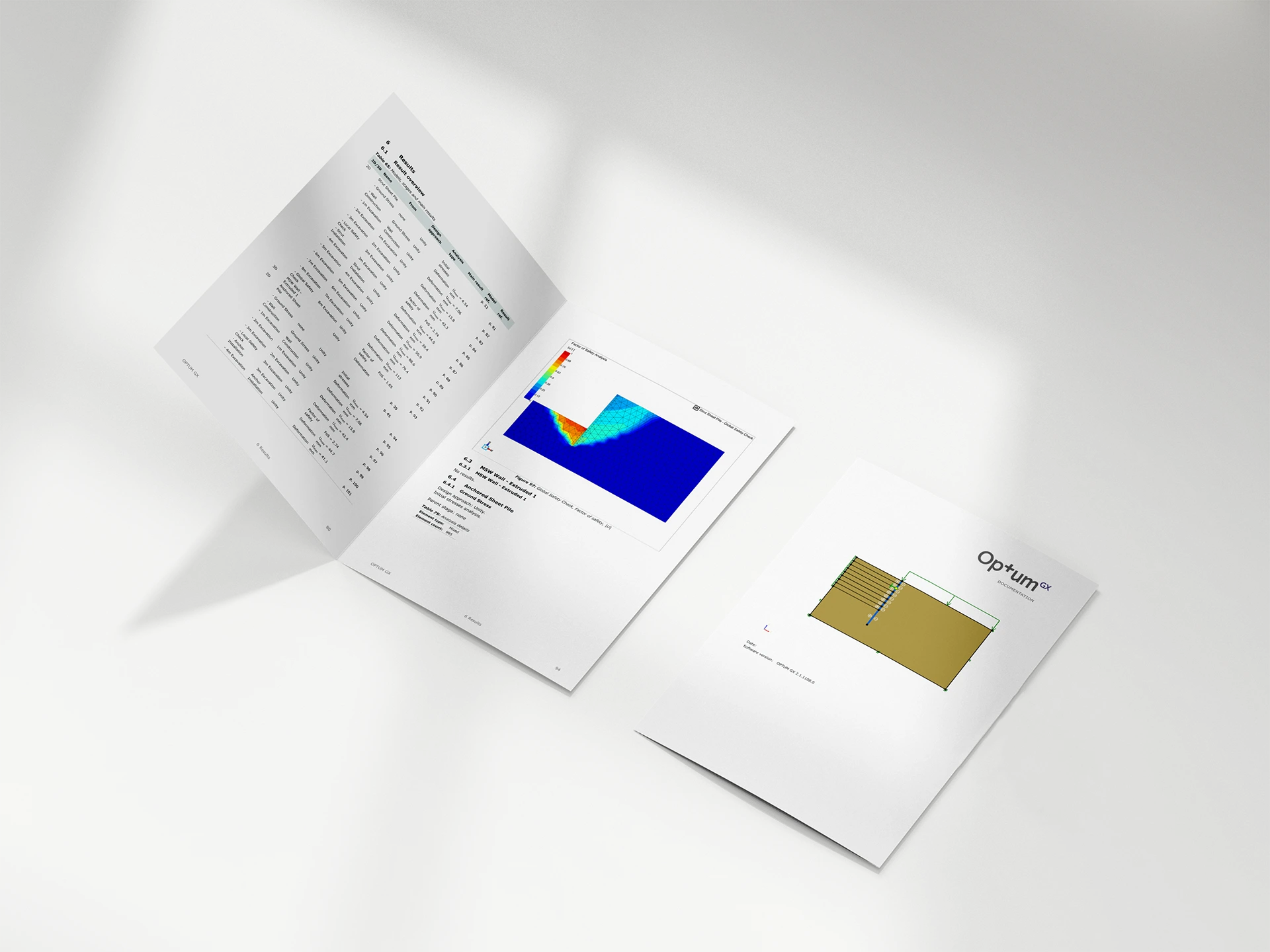
For transparent workflows, the software automatically generates PDF reports covering model input, boundary conditions, staged construction steps, and graphical results – ready to share with colleagues or clients.
Automation with Python
OPTUM GX includes full Python integration for advanced automation. Engineers can set up batch runs, parametric studies, and sensitivity analyses, or generate customised reports directly from the model data. This makes it possible to streamline repetitive tasks, explore design alternatives systematically, and integrate OPTUM GX into larger digital workflows – allowing engineers to focus on design decisions instead of repetitive setup.
OPTUM GX and Python


OPTUM GX
Try Our Retaining Wall
Analysis Software
Download a free trial and see how OPTUM GX makes retaining wall design faster, more accurate, and easier to document.
Analyse complex soil – structure interaction with advanced FELA methods – all in a very user-friendly interface.
Download Free Trial
OPTUM GX vs Traditional Retaining Wall Software
Unlike tools based on classical limit equilibrium (LEM) methods, OPTUM GX computes the true collapse load using modern, physics-based limit analysis (FELA). You avoid guessing failure surfaces or relying on simplified pressure diagrams.
OPTUM GX provides a transparent and verifiable analysis, even for complex geometries and soil conditions – helping you design retaining walls faster with confidence.
Comparison of Geotechnical Calculation Methods: LEM, FEM, and FELA
Handles true collapse load
No need to guess or iterate failure surface
No mesh refinement tuning needed
Upper/Lower bound solution
Accurate for non-circular slip surfaces
Rapid Analysis
Suitable for automation/parametric analysis
Easy for non-expert
LEM
Limited
Limited scripting
Limited
FEM
Approximate
Slow for batch runs
FELA (OPTUM GX)
Frequently ASked Questions
Can’t find what you’re looking for? Contact us here.
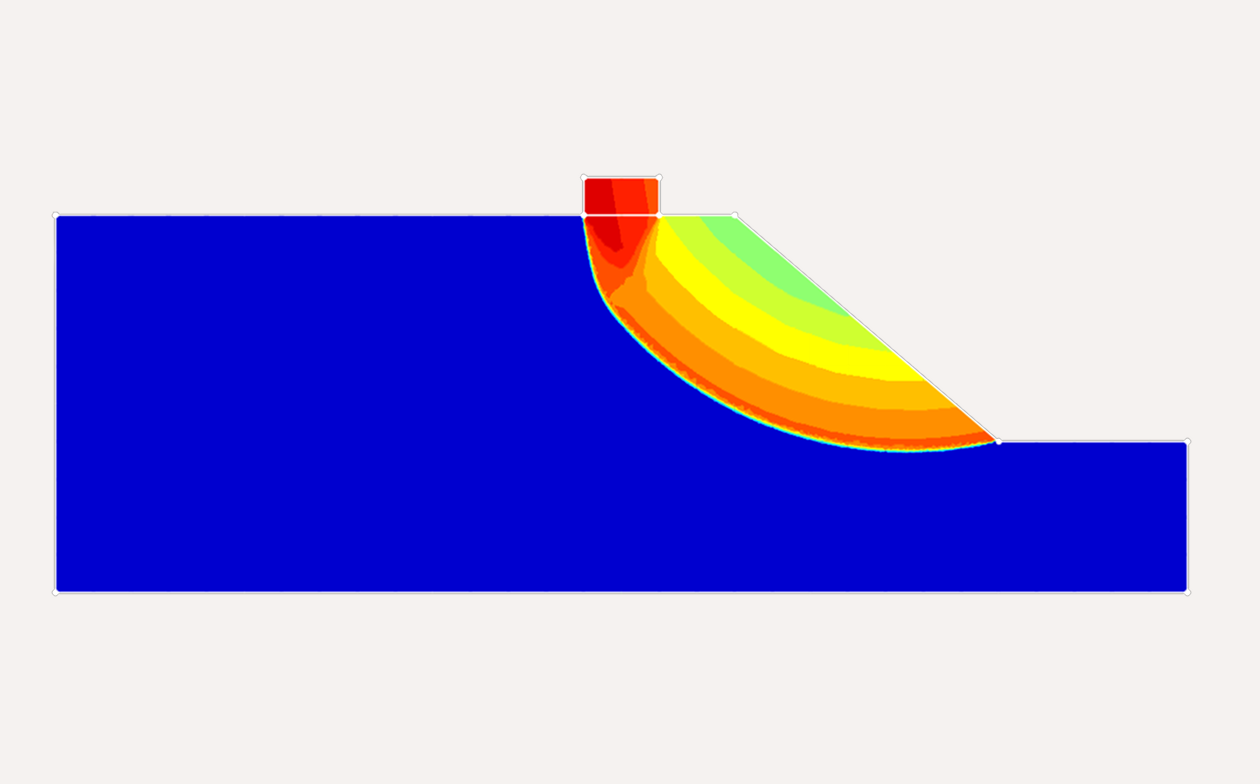

Designing and Analyzing Foundations on Hilly Slopes
October 7, 2026
Determination of stability of slopes have been a major challenge Foundations built on or near hilly terrain do not behave like foundations on flat ground. The absence of confining soil...
Geotechnical
OPTUM GX
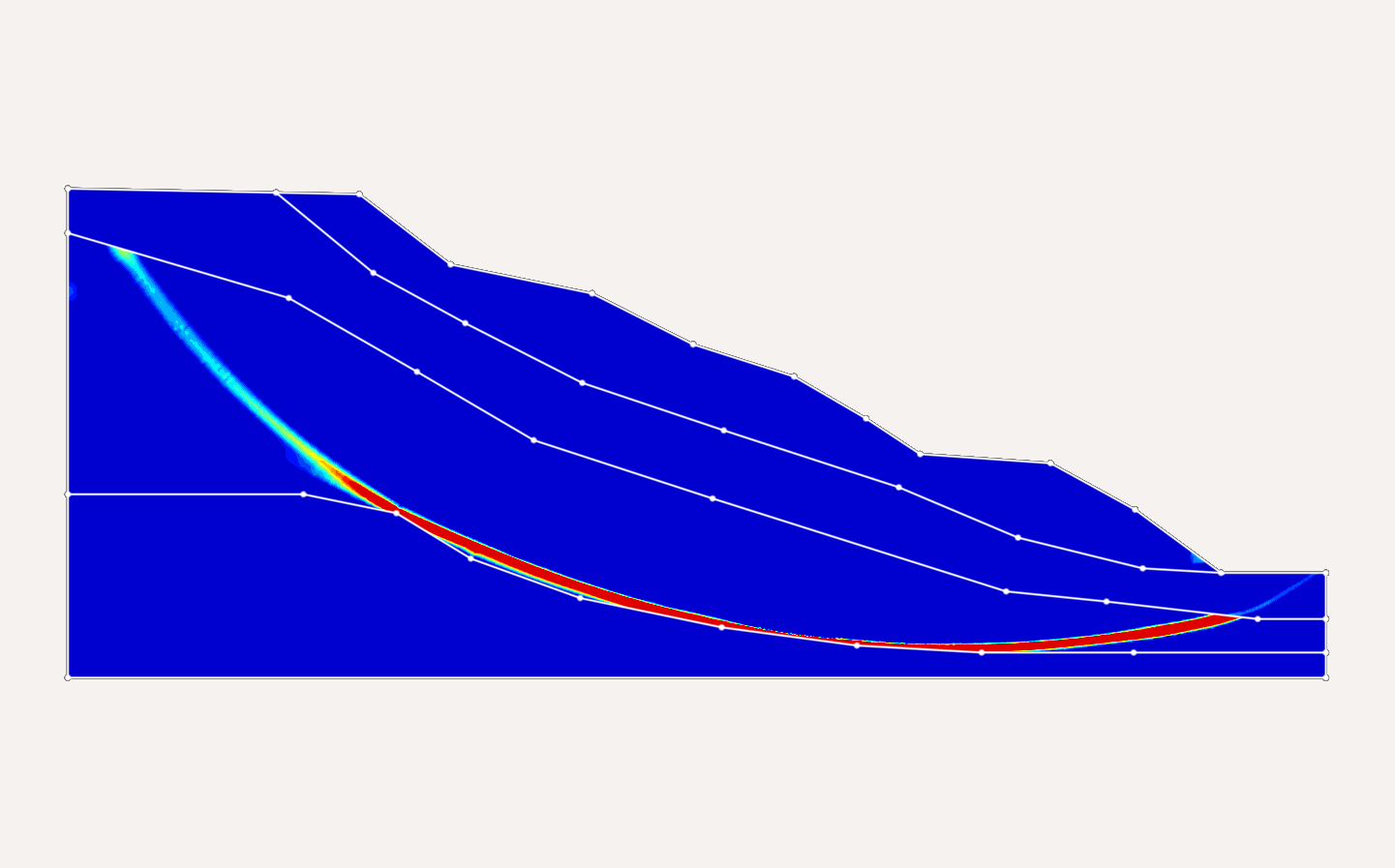
Advanced Slope Stability Assessment through Reliability Analysis in OPTUM GX
August 4, 2026
Determination of stability of slopes have been a major challenge in geotechnical engineering. Slopes that pass through the rigours analysis often fail due to several on-site uncertainties making it a...
Geotechnical
OPTUM GX
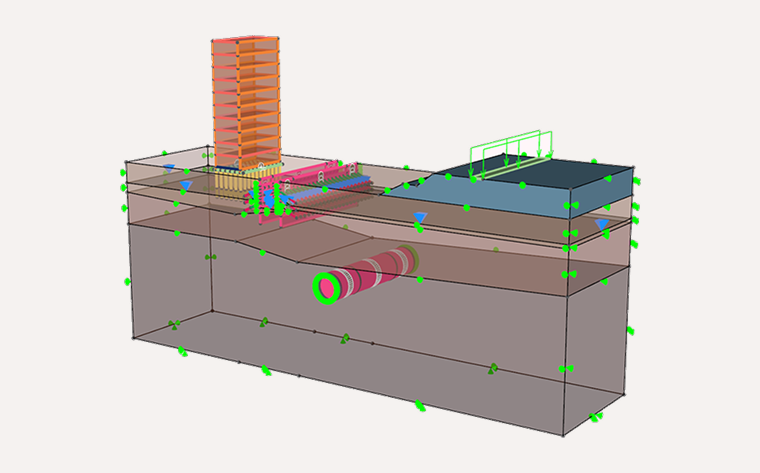
What is Finite Element Analysis?
February 3, 2026
Finite element analysis (FEA) is a numerical method that breaks a complex structure into many small “elements” to predict how it responds to loads, deformation, temperature changes and other physical...
FEA
Finite element analysis
Geotechnical
OPTUM GX